



Buzzing
Summing is the process of combining several separate audio tracks into a single stereo channel, typically using a summing mixer. This creates a single stereo mix that can be played on a speaker or headphones and provides a wider and more spacious sound experience.


Summing is important
Summing is important in audio production because it allows different sounds from different sound sources to work together as a whole. By combining separate audio tracks, such as vocals, drums and bass, into a single stereo mix, producers and engineers can create a cohesive and balanced sound.
Summing can also help create a wider and more spacious listening experience as sounds from different positions in the stereo field are combined. This can lead to a more dynamic and exciting listening experience for the listener.
It's important to note that a poorly executed summing can have negative consequences for sound quality, such as phase issues or noise. Therefore, it is important to have a good understanding of the summing process and to use quality equipment to achieve a good result.
How to use Summing
Summing is typically used in studio music recordings where several separate audio tracks need to be combined into a single stereo mix.
Summing can be used by musicians in various genres, from pop and rock to jazz and classical music. It's especially important for musicians working with multiple sound sources at the same time, such as a band recording where there are separate tracks for drums, bass, guitar and vocals.
Summing can be done in several ways, depending on the equipment and the desired sound. Traditionally, summing is performed in a summing mixer, which takes inputs from several separate audio sources and mixes them together into a single stereo channel. Summing can also be done digitally using DAW software that has built-in summing capabilities.
Ultimately, the goal of summing is to create a cohesive and balanced stereo mix that represents the sound of all the separate audio sources in the best possible way. It requires a certain level of technical expertise and a good understanding of the different sound sources, but summing is an important part of music production that can have a big impact on the final result.
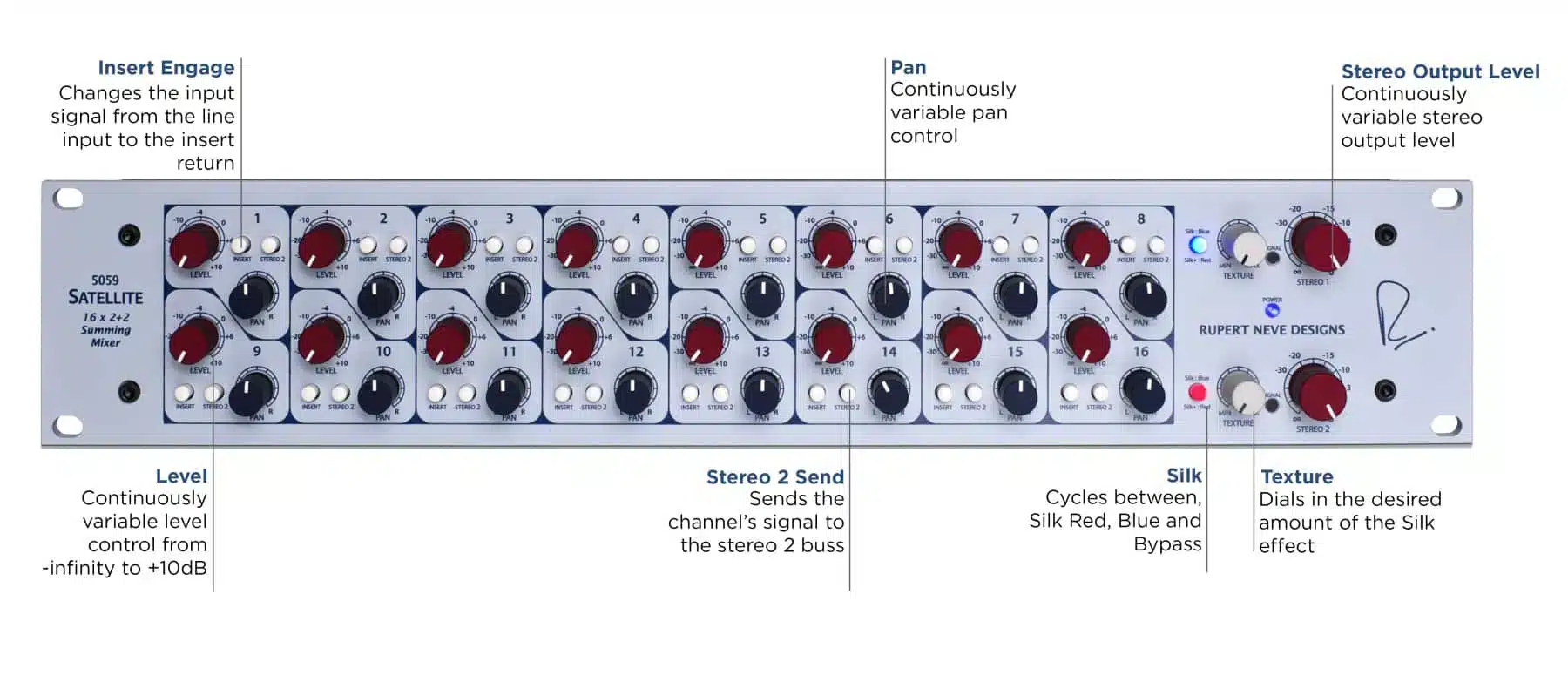
What type of Summing equipment should I use?
The choice of summing equipment depends on several factors, including budget, needs and personal preference. There are several different types of summing equipment available and the choice depends on the desired sound and functionality.
A traditional summing mixer is a hardware device that takes inputs from several separate audio sources and mixes them together into a single stereo mix. This can be a great solution for musicians and producers who want an analogue sound and feel more comfortable working with physical devices. A good summing mixer can be an expensive investment, but can provide high-quality sound and the flexibility to adjust the sound as needed.
A digital summing solution can also be a good option, especially for those already working with DAW software. Many DAWs have built-in summing features that allow the user to mix separate audio tracks together and export a stereo mix. This can be a more cost-effective solution, but it can be less flexible than a physical summing mixer.
Another option is to use a hybrid solution that combines both analogue and digital technology. This can provide a more versatile and flexible solution that can be customised as needed.
In general, it's important to consider the specific needs and wants when choosing summing equipment and there is no "one-size-fits-all" solution. It's always a good idea to research and test different options to find the best solution.
The most popular Summing equipment
There are many different humming devices on the market and the most popular one depends on the specific use and personal preference. Some of the most popular humming devices are:
API “The Box” II: The new version of The Box now has eight input channels, eight 500 Series slots and LED meters for each of the 24 summing channels.
Dangerous Music 2-BUS+: This summing mixer is known for its sound quality and ease of use. It has a simple and intuitive layout and can accommodate up to 16 separate sound sources.
Rupert Neve 5057 Orbit: Rupert Neve has more than six decades of experience in mixing console design, and with 5057 Orbit you get the legendary tone, power and wide soundstage that only Rupert Neve's Class-A analogue summing can deliver.
Burl B32 VANCOUVER: Based on BURL AUDIO's renowned discrete analogue, Class-A circuitry, the B32 Mix Bus uses both the transparency of the B26 ORCA and the switchable tonality of the new BURL AUDIO BX5 output transformer.
Tube-Tech SSA 2B: Summing amp with 10 stereo inputs (the first 2 can also be 4 mono inputs) and 23-step output gain control with gold-plated switches.
It's important to remember that these are just some of the most popular summing devices and that there are many other options available on the market. It's always a good idea to research and test different options before deciding on the best solution for your needs and budget.