


Effects
Outboard effects are external devices that are connected to an audio recorder or audio mixer to enhance or alter the sound. They can either be compressors, equalisers, reverb units, delay units or other types of signal processing. Effects are used to give the sound more power, clarity or reverb, or to add special effects like echo and distortion.


Why are effects important?
Effects are important in audio production because they allow producers and musicians to alter and enhance the sound in many different ways. Analogue effects can add a certain kind of colour or character to the sound, and digital outboard effects are often more precise and flexible and can offer a greater range of settings and control options.
Outboard effects can also be used in combination with virtual effects, with a wider range of settings and control options, giving you as a producer or musician more possibilities to shape the sound.
All in all, outboard effects are an essential tool in audio production as they allow you to change and enhance the sound in many different ways and create unique and creative sound scenarios.
What are Outboard effects?
Outboard effects are external devices that connect to a sound recorder or audio mixer to enhance or alter the sound. From professional audio production to home recording, outboard effects are an essential tool for you as a producer or musician and can be used in many different contexts.
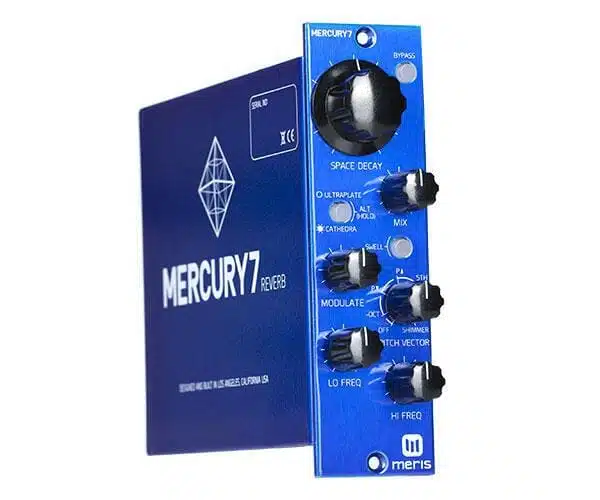
Examples of common outboard effects are compressors, equalisers, reverb units, delay units and other types of signal processing. Compressors are a type of dynamic processing that can help control the level of the sound and give it more power. Equalisers are used to adjust the tonal balance of the sound to get the desired timbre. Reverb units can add reverb to the sound, while delay units can add echo and other time-based effects.
Outboard effects are also used to add special effects like distortion, flanger and chorus. These effects can give the sound a unique and creative expression and are often used in music production and film sound.
Some outboard effects are analogue, while others are digital. Analogue effects have often been considered to have a "warmer" sound than digital effects, as they are based on mechanical and electronic components that can give the sound a certain kind of colour or character. Digital effects are often more precise and flexible and can offer a greater range of settings and control options.

How to use the effects
Your effects can be connected to a sound recorder or sound mixer either via an analogue or digital signal. Analogue connection can be via cables with XLR or TRS connectors, while digital connection can be via AES/EBU or S/PDIF cables.
Today, it is also possible to simulate many outboard effects in software form, and many sound recording and music production software packages include a selection of virtual effects that can be used instead of or in combination with physical outboard effects.
Outboard effects are a useful tool to enhance or change your sound in production. It's important to understand the different types of effects, their purpose and how they can be used.
Examples of good effects
At Cyberfarm we carry the best effects from the best brands in the world and we've collected a handful of the best effects here:
McDSP APB-16 Analogue Processing Box