



Ribbon microphones
A ribbon microphone is also known as a ribbon speed microphone. It is a microphone that uses a thin conductive ribbon of aluminium, duralumin or nanofilm that is placed between the poles of a magnet to generate a voltage through electromagnetic induction. Ribbon microphones are usually bidirectional, meaning they pick up sound equally well from both sides of the microphone.

Royer Labs R-10 bundled with R-DB20 dBooster in-line signal booster


Royer Labs R-122 MKll MP bundled with 2 x RSM- SS1 (Sling Shock)


Royer Labs SF-12 Stereo Ribbon, Dual Small Light-Mass Ribbon Elements

Royer Labs SF-2 Mono, Phantom Powered, Small Light-Mass Ribbon Element


Royer Labs SF-2MP Matched Pair SF-2’s - Phantom Powered, Small Light-Mass Ribbon Element

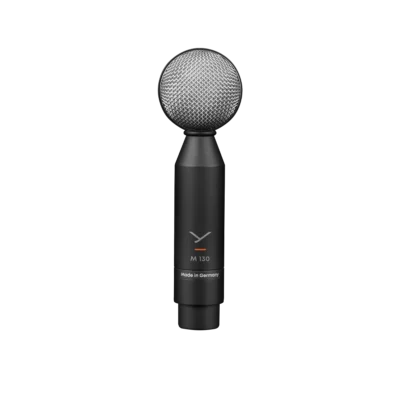
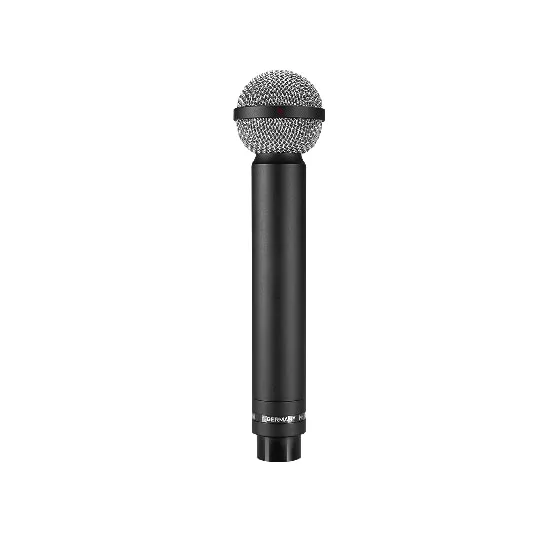

Ribbon microphones are the most natural microphones you can use to capture instrument sounds, vocals and even the atmosphere of a room. Ribbon microphones pick up sounds more like your own ears than any other microphone. This is due to their figure-8 pattern, lots of low-end pickups and a natural high-frequency roll-off.
If you're a musician and you've struggled to capture the natural sound of your instruments, then you should definitely try a ribbon microphone. Ribbon microphones are the warmest, most natural microphones in the world.
Getting started with ribbon microphones
From the mid-1930s to the mid-1970s, most recordings and broadcasts were made using ribbon microphones. The basic design of ribbon microphones has always been very simple. The microphone itself consists of a thin strip of corrugated aluminium loosely suspended between two magnets attached to a transformer.
In the 1970s, as condenser microphones improved significantly in quality, ribbon microphones fell out of favour. There were far fewer fans of the old ribbon microphone. This is mainly because recording methods changed and the clear and bright sound of condenser microphones became popular. It is believed that the brighter tones slightly compensated for the high-frequency roll-off on older mixers, tape machines, vinyl records and radio. It was also around this time that RCA shut down its ribbon microphone manufacturing, causing the market to stall.
In the 1990s, when we started making more music with digital recordings, tape microphones made a great comeback. Because of the great sound. On the other hand, we've moved away from condenser microphones.
The ribbon microphones you can get today are significantly stronger than in the old days. They're better and easier to work with. We've compiled an overview of the best ribbon microphones on the market:
- Royer SF-24
- Royer R-122V Vacuum Tube Ribbon Microphone
- Royer Labs R-122 MKII-MP Phantom Powered Ribbon Set
- Royer Labs R-121-MP Studio Ribbon Microphone
- Royer Labs R-121 Live Ribbon Microphone
At Cyberfarm, we sell the best ribbon microphones in the world. There's a good reason why ribbon microphones are the oldest types of microphones in the world. There isn't a professional musician in the world who hasn't experienced the joy of working with a ribbon microphone.
Quick shortcuts:
If you want to look for some of the other microphones we carry at Cyberfarm, you can get quick access to them below: Tube microphones, Condenser microphone, Dynamic microphones, Wireless microphones, Close / Contact microphones, Stereo microphones and Drum microphones.