




Logickeyboard Avid Sibelius TITAN Wireless Backlit Keyboard - Windows


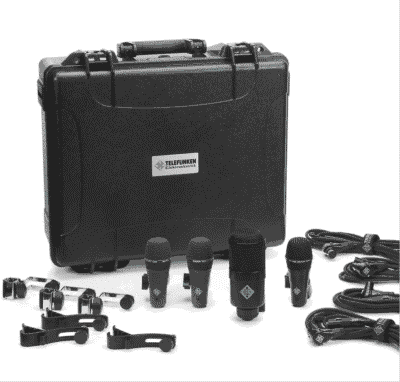


Which drum microphone should I choose?
It depends on several things. The type of drums you play and the sound you want. There are two main types of drum microphones: condenser microphones and dynamic microphones. Condenser microphones are better at capturing high frequencies and provide a clear and detailed sound. They are often more expensive than dynamic microphones, but they are also better at producing a clean sound.
Dynamic microphones are better at capturing low-frequency sounds and produce a warmer, rounder sound. They are often cheaper than condenser microphones, but they are not as good at producing a clean sound. When choosing a drum microphone, you also need to consider where it will be placed. If you want a versatile microphone that can be used for both drums and vocals, a condenser microphone may be the best choice. If you only want to use the microphone for drums, a dynamic microphone might be better.
It's also important to consider the type of amplifier you're using. If you are using an amplifier with a low input impedance, use a microphone with a low output impedance. If you use an amplifier with a high input impedance, use a microphone with a high output impedance.
Once you've found the type of drum microphone that best suits your needs, you can start considering which brand and model is best for you. There are many different brands and models of drum microphones on the market, so you may want to read reviews to find out which ones are best.
The best drum microphones on the market
Our picks for the best drum microphones at the moment are:
- Telefunken DC7 Dynamic DRUM Mic Pack
- Telefunken DC6 Dynamic DRUM Mic Pack
- Telefunken DD5 Dynamic DRUM Mic Pack
- Telefunken DD4 Dynamic DRUM Mic Pack
- Shure Beta52
Why is a drum microphone important?
A drum microphone is essential for capturing the full sound of the drums and giving them the correct balance in the mix. If you don't use a drum mic, you won't be able to capture the full sound of the drums, but you also risk distorting the sound. In addition, a drum microphone is also important to ensure that the drums sound good live. If you use the wrong microphones or wrong settings, the drums can sound too loud or too basic.
A drum microphone is essential for getting the best sound out of your drums. If you want to get the best out of your drums, make sure you use a good quality drum microphone.

The lifetime of a drum microphone
A drum microphone typically has a lifespan of 5-10 years. Of course, this also depends on how often it is used and how well it is maintained. If you use your drum microphone correctly and take good care of it, it can last for many years.
FAQ about drum microphones
Is there a difference between drum microphones for different types of drums?
Yes, there is a big difference. It's important that you use a drum microphone that is specifically suited to the drum you play. At Cyberfarm we have several different drum microphone sets, such as Telefunken DD5 Dynamic DRUM Mic Pack, which contains all the microphones you need.
Which drum microphones are best for live recording?
The best drum microphones for live recording are microphones made specifically for live or concert recordings. Most drum microphones on the market are intended for studio use and don't have the same sound quality and durability as a live microphone. There are many different drum microphones on the market and it can be difficult to choose the right one for live recording. You need to make sure that Choose a drum microphone that suits the type of drum you're recording. There are different drum microphones for different drums.
How should I clean my drum microphone?
Drum microphones are often exposed to very loud noise and this can cause them to become dirty and unsightly. That's why it's a good idea to clean them regularly. The first thing you need to do is remove the dust from the microphone. You can use a soft cloth or brush to do this. Next, clean the microphone itself with a mild detergent. You can use isopropyl alcohol or ethyl alcohol for this.
Rinse the microphone thoroughly with water and let it dry completely before using it again.
How do I set up a drum microphone?
Drum microphones are one of the most essential parts of a good sound system, which is why it's important to set them up correctly. Place the microphones as close to the drums as possible. The closer the microphone is to the drum, the more of the deep and powerful sound will be picked up. Try to avoid placing the microphones too close together. If they are too close together, they will interfere with each other and cause biased sound.
Quick shortcuts:
If you want to look for some of the other microphones we carry at Cyberfarm, you can get quick access to them below: Tube microphones, Ribbon microphones, Condenser microphone, Dynamic microphones, Wireless microphones and Close / Contact microphones.