




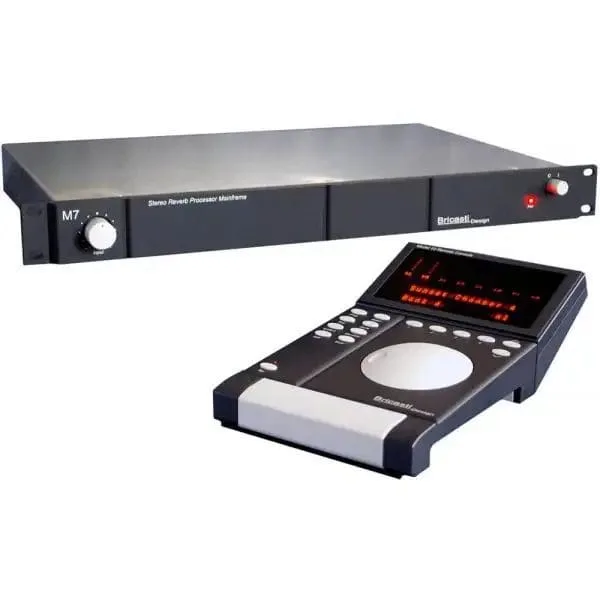


Rupert Neve Portico Y-Splitter Cables (powers 2 units off 1 supply)


Outboard equipment for audio production
Outboard equipment is used to process audio signals and add various effects and treatments to the sound. Some of the most common applications of outboard equipment include:
Preamplifiers: These are used to amplify the weak signal from microphones and instruments so that it can be processed by other devices in the sound system, such as mixers and recorders.
Equalisers: These are used to adjust the frequency response of audio signals by cutting or boosting certain frequency ranges. This can be used to correct for room acoustics issues or to add creative effects to the sound.
Compressors: These are used to reduce the dynamics of an audio signal by reducing the difference between the high and low sound levels. This can be used to increase average volume and to prevent overload on recorders or amplifiers.
Reverb units: These are used to add timbre and reverb to the audio as if it was recorded in a specific room or environment.
Delay devices: These are used to add echoes and repetitions to the sound, which can be used for creative sound processing and to achieve a greater sense of space and dimension in sound.
These are just some of the most common uses of outboard equipment, but there are many other types of devices and effects that can be used to process audio signals and add creative effects to sound.
Outboard equipment for professionals
Many musicians and sound engineers use outboard equipment as part of their audio production process. It's especially common in studio recording and live sound production. Here are some examples of musicians and bands that use or have used outboard gear:
- The Beatles: The group used a variety of outboard equipment, including compressors and equalisers, in their studio recordings in the 1960s.
- Pink Floyd: The band used a variety of outboard equipment in their sound production process, including analogue synthesizers and reverb units, to create their distinctive sound.
- Radiohead: The band has used outboard equipment in their studio recordings and live sound production, including effects and synthesisers.
- Daft Punk: Electronic music duo used a range of outboard equipment in their production, including synthesisers and sequencers, to create their distinctive sound.
- Quincy Jones: The music producer has used outboard equipment in many of his productions, including compressors and equalisers, to create a well-balanced and dynamic sound.
These are just a few examples of musicians and bands that use outboard equipment. There are many others who also use this type of equipment as part of their music production and sound production.
What type of outboard equipment do I need?
The choice of outboard equipment depends on a number of factors, including the type of music or audio production you're working with and your specific needs and wants for the sound. Here are some considerations to help you choose the right outboard gear:
Audio production needs: What type of audio production do you work with? Is it studio recording, live sound production or something else entirely? Each type of audio production may require different types of outboard equipment.
Audio result: What do you want to achieve with the sound? Are you looking for more clarity, more warmth or more reverb? Each type of outboard equipment can provide different effects and treatments to the sound.
Budget: What is your budget? Outboard equipment can range in price from a few hundred dollars to several thousand dollars, depending on quality and features.
Quality: What quality do you want in your equipment? Are you looking for professional or hobby equipment? This can also influence your choices.
Compatibility: Always check if your chosen outboard equipment is compatible with your existing audio equipment and software. It can be important to make sure that the equipment can work together optimally.
These are just some considerations to help you choose the right outboard equipment. You may also want to seek advice from a professional sound engineer or musician if you're unsure which type of equipment is best suited to your needs.
The most popular Outboard equipment
Here are some examples of some of the most common types of outboard equipment used in audio production:
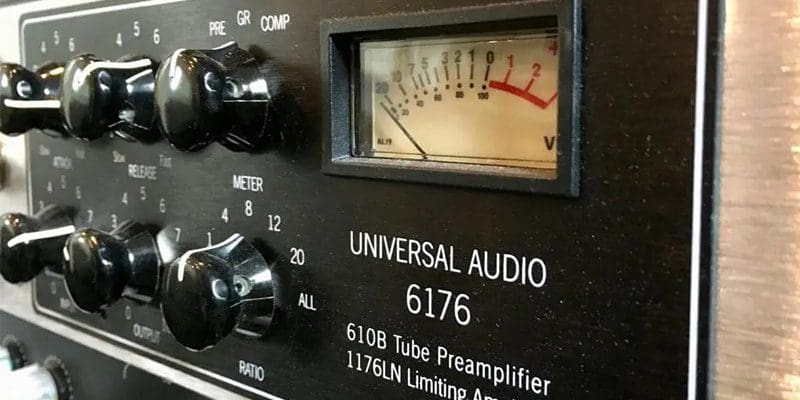
Compressors: These devices are used to regulate the dynamics of sound by reducing the volume of high signals and amplifying low signals. Popular brands include the Universal Audio 1176, LA-2A and SSL G Series Bus Compressor.
Equalisers: These devices are used to adjust the frequency response of sound by boosting or reducing certain frequency ranges. Popular brands include SSL E Series EQ, API 5500 and Neve 1073.
See our selection of Equalisers.
Reverb devices: These devices are used to add reverb to the sound by simulating natural surroundings. Popular brands include Lexicon PCM, Eventide H8000FW and TC Electronic System 6000.
500 Series: One of the best things about the 500 Series modules is their versatility and flexibility. Because they are modular, 500 Series modules can easily be added to or removed from a recording studio setup and can be mixed and matched for a specific project.
See our 500-series equipment - by clicking here.
Mastering: Mastering, which is the final process in any audio production - finalises the finished mix. This is done by improving the overall sound, ensuring consistency across all songs on an album and preparing the production for distribution in the correct format.
See our mastering equipment here.
Pre-amps: Pre-amplifiers are an essential part of any audio production. Preamps are used to amplify the weak electrical signal coming from a microphone, instrument or other sound source before the signal is sent to a sound card, mixer or other devices in the audio chain.
Summing: Summing is an important part of audio production as it allows different audio elements to work together as a whole. For example, a music production may have separate audio tracks for drums, bass, guitar and vocals, and the summing process will combine these tracks into a single stereo mix that can be played on a speaker or headphones.