





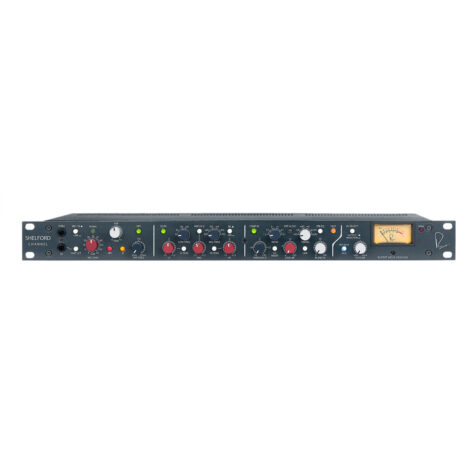


Rupert Neve 5052 Shelford (vertical only) Mic Pre / Inductor EQ


Different types of preamps
There are several different types of preamps, and each type has different functions and characteristics. Here are some of the most common types of preamps used in audio production:
Microphone preamps
Mic preamps are one of the most common types of preamps. They are used to amplify the weak signal from a microphone before the signal is passed on to other devices in the audio chain. Mic preamps are designed to improve sound quality and reduce noise and distortion that can affect the final result.
Instrument preamps
Instrument preamps are used to amplify the signal from a guitar, bass or other instrument with a pick-up. These preamps are designed to improve the strength and quality of the signal so that it is ready to be processed by other devices in the audio chain.
Tube preamps
Tube preamps are a type of preamp that uses tubes to amplify the signal. These preamps are known for adding warmth and harmonic distortion to the sound, which can provide a more natural and warm sound. Tube preamps are often used in professional studios and for recording music where sound quality is crucial.
Solid-state preamps
Solid-state preamps are a type of preamp that uses transistors or integrated circuits to amplify the signal. These preamps are known to deliver a more accurate and clear sound and are often more reliable than tube preamps. Solid-state preamps are also more affordable and are often the choice for home studios or smaller productions.
How do you use a preamp?
Using a preamp can be a simple process, but it also requires some considerations and adjustments. Here are some steps to follow to use a preamp correctly:
Connecting the source
First, connect your audio source to the preamp. If you are using a microphone, make sure to connect it to the microphone input of the preamp.
Adjusting the gain
The next step is to adjust the gain level of the preamp. The gain level controls how much the signal is amplified. It's important to find the right balance between gain and noise. If the gain level is too high, it can lead to distortion or noise, while too low a gain can result in a weak and unclear signal.
Adjusting the EQ
Many preamps come with an equaliser (EQ), which can be used to adjust the frequency range of the signal. The EQ can be used to tailor the sound as needed and can also be used to remove unwanted frequencies that can negatively affect the sound quality.
Setting the output level
Finally, you need to set the output level of the preamp. This is the level at which the signal is passed on to other devices in the audio chain. It's important to find the right balance between the output level and the gain level so that the signal is clear and strong, but not too loud that it can cause distortion or noise.
Popular preamps on the market
There are many different preamps on the market, and some are more popular than others. Here are some of the most well-known preamps in audio production:
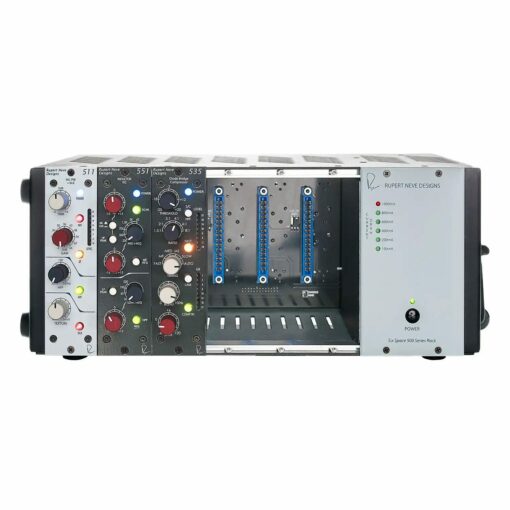
Rupert Neve 511 Mic Pre with Sweepable HPF, Variable Silk
Rupert Neve 5211 2-Channel Mic Pre
Tube-Tech MP2A Dual Mic Preamplifier and Di
Focusrite Scarlett Octopre Dynamic
If you need advice and guidance on which Preamp is right for your setup, you are always welcome to contact our experts at Cyberfarm.