



Tube microphones
Tube microphones are known for their warm sound and amazing depth and bottom end. The character of a tube microphone is determined by the quality of the components and not least the tube that delivers that magical sound. At Cyber Farm, we've gathered some of the world's best tube microphones to match any budget. We offer free shipping on orders over 1.450,- and ship worldwide.





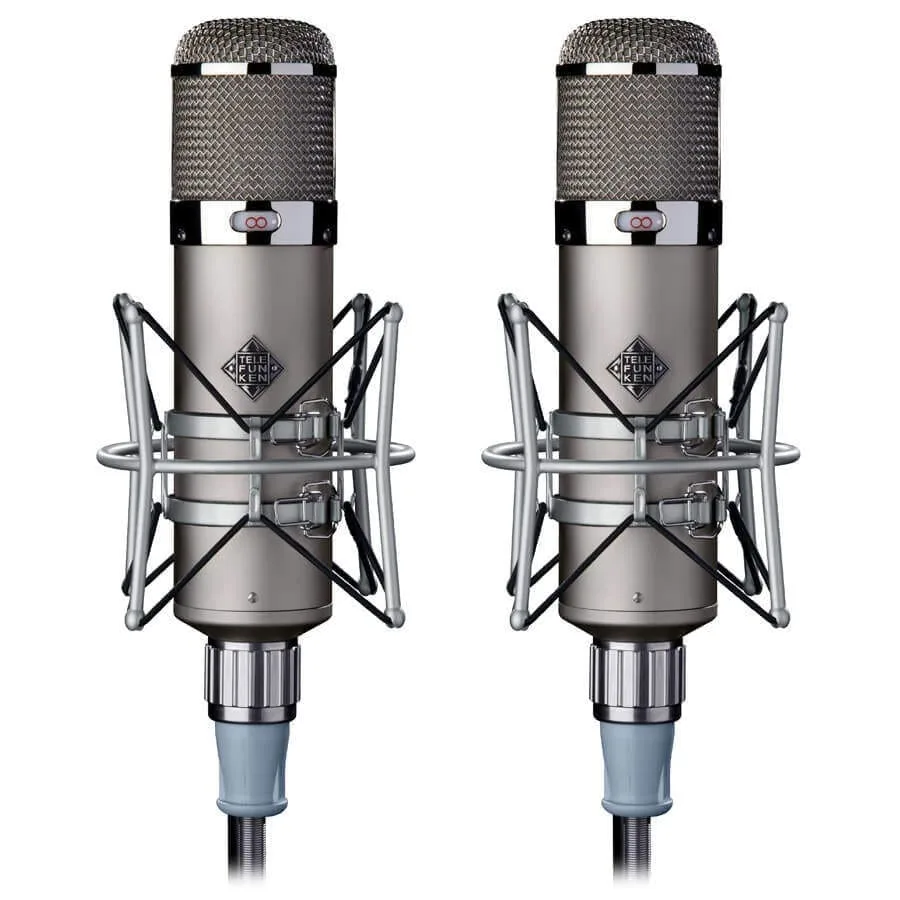

What is a tube microphone?
Tube microphones are equipped with a vacuum tube that acts as an impedance converter. The vacuum tube gives tube microphones the characteristic warm sound and natural compression.

The job of the vacuum tube is to boost the power of the signal while lowering the impedance. Tube condenser microphones have condenser capsules that emit low amplitude, high impedance audio signals. The job of the vacuum tube is to boost the power of the signal while lowering the impedance. This way, the sound (or signal) is able to travel within the rest of the microphone's circuitry and out of the output connection.
A vacuum tube is an active electronic device that needs power to function. Therefore, tube microphones are by definition also active microphones. In addition, the power requirements for a vacuum tube are relatively high, which is why tube microphones usually come with external power supplies.
Very often tube microphones are large diaphragm condensers, but there are also some small diaphragm tube condensers and even some ribbon tube microphones on the market.
What is a vacuum tube in a tube microphone?
The vacuum tube in a tube microphone is an electronic device. The vacuum tube controls the flow of a negative pressure between the electrodes when a voltage is applied. The vacuum tube of the tube microphone is a container - typically made of glass or ceramic material. Inside the vessel there is a negative pressure without oxygen, which is important as the device could otherwise burn down.
Inside the tube there are electrodes that create a flow of electrons, thus producing an electric current. The simplest vacuum tube we know is the diode, which was invented in 1904. The diode has the two most important electrodes in any vacuum tube: the cathode and the anode. The cathode is the negative electrode on the tube and the anode is the positive electrode. The cathode is heated either directly or indirectly and when this happens, the cathode starts emitting electrons. The electrons are negatively charged and the cathode repels them while the anode attracts them at the same time. So by applying the correct power to the vacuum tube, we generate an electric current. Note that the tube must be a vacuum, otherwise the oxygen in the tube would burn up the heater and the vacuum tube would not work.
The typical tube microphone
The most common vacuum tube used in a tube microphone is the triode. Triodes have a third electrode called the grid, which is connected to the microphone capsule.
The signal connected to the grid essentially acts as a modulator of the current flow between the cathode and anode. When the capsule's AC signal peaks, so does the flow between the cathode and anode. When the capsule's AC signal hits its trough, so does the cathode to anode current.
With this functionality, a low-level high-impedance signal from the microphone capsule can drive a relatively high-level low-impedance signal between the cathode and anode.
In this way, the triode vacuum tube acts as an amplifier and impedance converter in the microphone design.
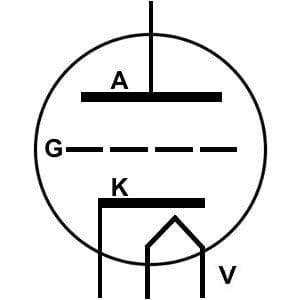
V: heater - K: cathode - A: anode - G: gate
How do tube microphones work?
Tube condenser microphones are typically designed with the following:
- Capacitor capsule
- Vacuum tube
- Power supply unit
- Internal circuits
- Output transformer
Examples of good tube microphones
It's always a good idea to look and listen to several different types of audio equipment. This is especially true when it comes to tube microphones.
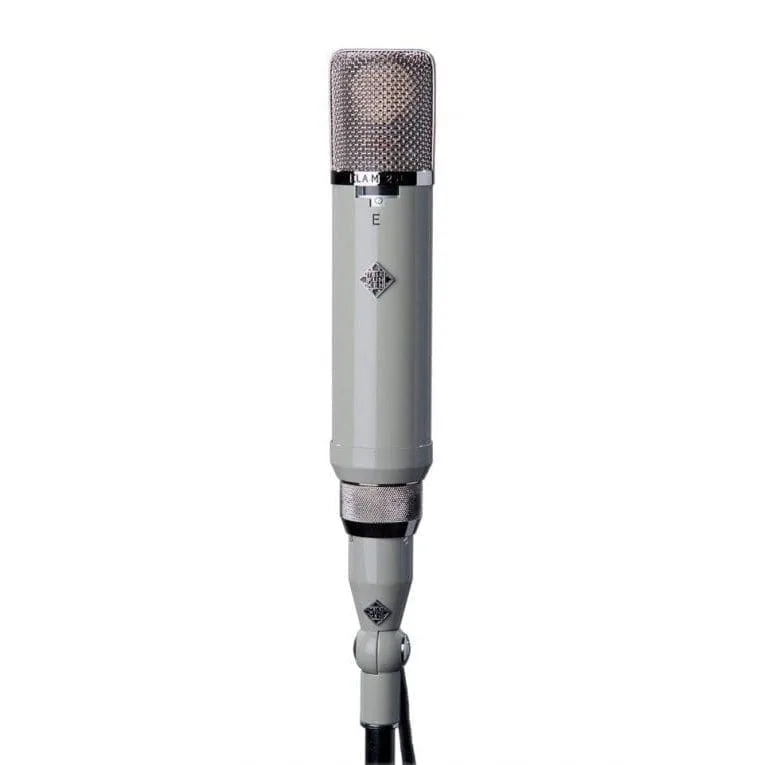
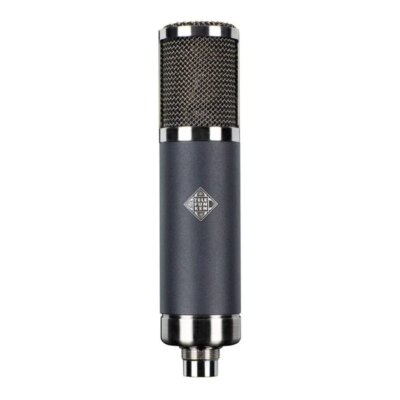
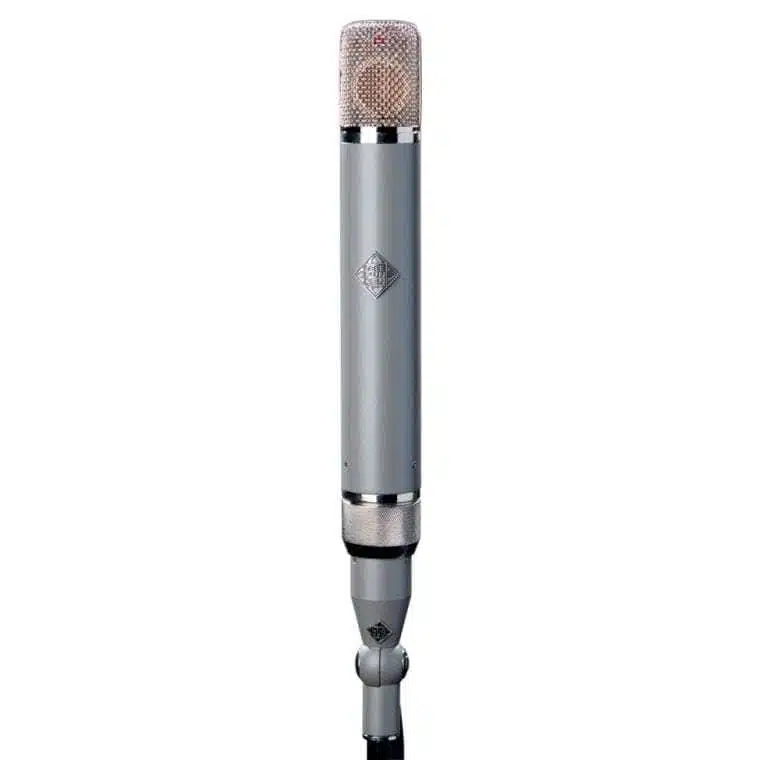
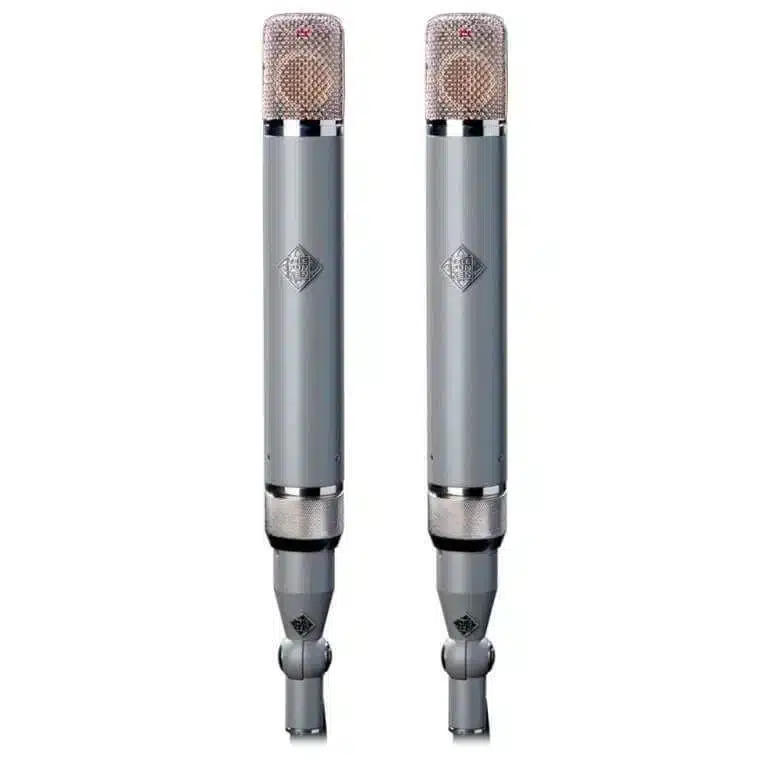
So let's take a look at a couple of really good quality tube microphones:
FAQ about tube microphones
Does a tube microphone always need to be powered?
All tube microphones have a very specific power requirement and typically need a higher voltage. That's why every tube microphone always comes with a specific power supply and cable. The power supply will have two audio connectors: a unique multipin connector that connects to the microphone and a standard 3-pin XLR for the audio output.
Why should I choose a tube microphone?
Choosing a microphone is like choosing a colour from a colour palette. There is no right or wrong choice. It's more a question of what you're trying to create with the microphone. Many musicians feel that tube microphones provide a warmer, smoother sound with a rich low midrange that can be flattering for vocals. However, it is possible to find tube microphones that are more clean and neutral in sound.
Should a tube microphone be heated?
For the tube microphone to get its characteristic warm sound, it needs to warm up. If you use the tube microphone anyway, before it has warmed up, nothing will happen other than the sound will be different. Nothing will happen to the tube microphone.
How long does a tube microphone last?
You should expect the tubes inside the tube microphone to work flawlessly for at least 5 years with daily or almost daily use. Several models can run for longer - but they should work for at least 5 years. After that, it may be a good idea to replace the tubes.
How do I look after my tube microphone?
You should always store your tube microphone in a bag or box when not in use. Your tube microphone packaging will prevent dust and dust particles from settling inside the microphone.
Quick shortcuts:
If you want to look for some of the other microphones we carry at Cyberfarm, you can get quick access to them below:Ribbon microphones, Condenser microphone, Dynamic microphones, Wireless microphones, Close / Contact microphones, Stereo microphones and Drum microphones.